

Regulatory change is a normal part of operating in the energy and utilities sector. New requirements, updated reporting expectations and changing market conditions can affect policies, controls and operational processes.
The challenge is not simply identifying that a regulation has changed. Organisations also need to understand what the change means internally, which controls are affected, who is responsible and whether evidence exists to demonstrate compliance.
For Australian energy businesses, this is particularly relevant as regulators continue to focus on areas such as network compliance, power system security, smart meters and gas market reporting. The Australian Energy Regulator published these areas among its 2026-27 compliance and enforcement priorities.
Why is regulatory change difficult to track manually?
Many compliance teams still depend on spreadsheets, email reminders and shared folders to manage regulatory obligations. These tools can be useful for individual tasks, but problems arise when the number of requirements and stakeholders increases.
Imagine a new regulatory requirement affecting several operational teams. Someone must identify the obligation, determine the relevant controls, assign responsibility, collect evidence and monitor completion.
If each step is tracked separately, it becomes difficult to establish whether the full compliance response has actually been completed.
A structured utility compliance management approach can help bring these activities together. Instead of treating compliance as a collection of documents, organisations can maintain relationships between obligations, policies, controls, evidence and actions.
What does continuous compliance actually mean?
Continuous compliance does not mean that teams need to monitor every regulation manually every day.
It means that compliance becomes part of ongoing business processes rather than something reviewed only before an audit or regulatory assessment.
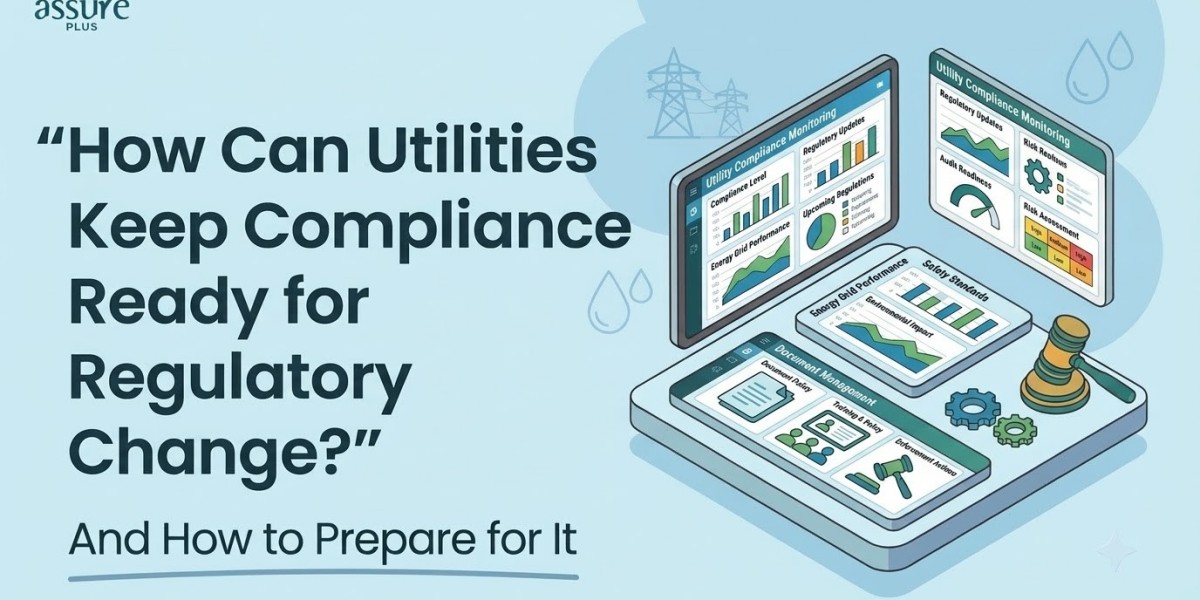
A centralised compliance register can provide a current view of obligations and ownership. Automated reminders can support recurring control testing and evidence collection. Dashboards can then help management identify overdue activities or potential gaps.
ISO 37301 provides a useful framework for thinking about this approach. The standard focuses on establishing, implementing, evaluating, maintaining and improving a compliance management system. It is intended to support an effective and responsive compliance system rather than a static collection of policies.
How does energy GRC support regulatory readiness?
Compliance does not operate independently from other risks in the energy sector.
A regulatory requirement may relate to a critical asset, environmental obligation, cybersecurity control, safety process or third-party relationship. When compliance information is connected to those areas, teams can better understand the operational implications of regulatory requirements.
This is one reason GRC solutions designed for energy and utilities can extend beyond traditional compliance tracking. The AssurePlus energy and utilities offering describes capabilities covering critical infrastructure reporting, environmental compliance, WHS/OH&S audits, cybersecurity, energy risk and operational safety.
The approach also reflects the wider direction of regulatory information management. The AER's 2026-28 Annual Information Orders, for example, set information requirements for regulated electricity distribution and transmission networks and interconnectors.
As reporting requirements become more structured, maintaining reliable information becomes an important part of compliance readiness.
Can automation reduce the compliance workload?
Automation can address some of the repetitive work associated with compliance management.
Control testing can be scheduled automatically. Responsible teams can receive reminders when evidence or actions are due. Escalations can highlight overdue tasks, while dashboards can give management a more immediate view of the organisation's compliance position.
This does not remove the need for human judgment. Compliance professionals still need to interpret requirements, assess risk and determine whether controls are appropriate.
The benefit is that technology can reduce administrative effort around those decisions. Instead of spending large amounts of time finding information, teams can spend more time evaluating what the information means.
What should utilities prioritise when improving compliance?
A practical compliance system should make four things clear: what the organisation must comply with, which controls address each obligation, who owns the relevant activities and what evidence demonstrates completion.
When those elements remain connected, regulatory changes become easier to manage. A new requirement can be assessed against existing controls, responsibilities and evidence instead of starting the process from scratch.
This creates a more sustainable compliance model for organisations operating in a sector where regulatory, operational and infrastructure requirements continue to evolve.
Conclusion
Utilities cannot prevent regulatory change, but they can improve how they respond to it. Connecting obligations with controls, evidence, ownership and operational risks can make compliance easier to monitor and maintain. With structured processes and appropriate automation, energy organisations can move from reactive compliance preparation toward a more continuous and transparent approach to regulatory readiness.