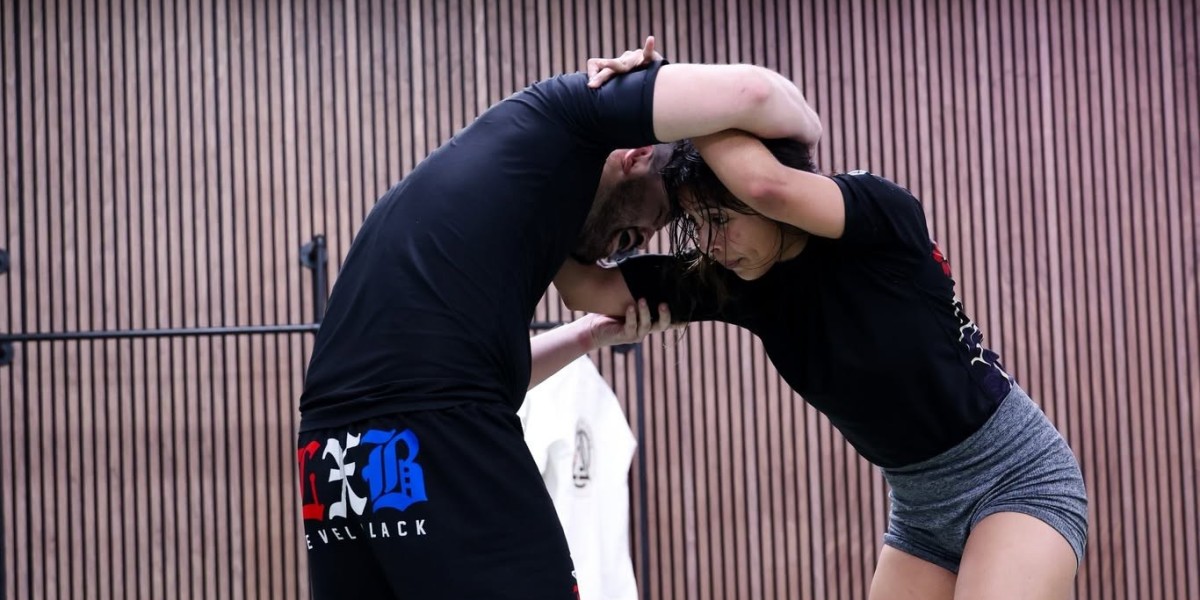


Parents researching youth programs, including the kids program at Libre Jiu Jitsu, often feel uncertain about exactly what separates a genuinely strong children's jiu jitsu program from one that simply markets itself well without the substance to back up its claims. Unlike choosing a gym for personal adult training, selecting a program for a child involves additional considerations around safety, age-appropriate instruction, and coaching style specifically suited to younger students still developing coordination, discipline, and emotional regulation.
Approaching this decision systematically, rather than choosing based purely on convenient location or an appealing website, helps parents identify a program genuinely equipped to provide a positive, safe, and developmentally appropriate introduction to the sport for their child. A handful of concrete factors, evaluated thoughtfully during research and an initial visit, provide considerably more reliable insight than marketing materials alone ever could.
Evaluating Instructor Experience With Children Specifically
A common misconception assumes that any skilled adult jiu jitsu instructor automatically translates into strong youth coaching ability, when in reality teaching children effectively requires a genuinely different skill set beyond technical grappling knowledge alone. Coaching young children demands patience, an ability to maintain engagement and discipline in a room full of energetic kids, and specific pedagogical techniques suited to how children learn differently than adults. Asking directly whether instructors leading youth classes have specific experience or training in coaching children, separate from their general jiu jitsu credentials, provides useful insight into whether a program has genuinely invested in this specific coaching competency.
Observing an actual youth class in progress reveals this quality more reliably than any credential or certification alone. Watching whether an instructor can maintain a room full of children's attention, redirect misbehavior constructively rather than through harsh discipline, and adapt explanations to different age groups within the same class all indicate genuine skill in youth-specific coaching that a resume alone can't fully capture for a parent evaluating a specific program.
Safety Protocols and Age-Appropriate Structure
Safety considerations deserve particular attention when evaluating any youth program, given the vulnerability inherent to working with children in a physical activity involving close contact. A well-structured program groups children by age and size rather than mixing wildly different developmental stages into the same class, recognizing that a six-year-old and a twelve-year-old have fundamentally different physical capabilities, attention spans, and appropriate technique complexity. Programs that fail to make this distinction, treating all children as a single homogenous group regardless of age, generally signal less thoughtful attention to age-appropriate safety and instruction.
Live sparring, when introduced at all for younger children, should happen under close, active supervision with clear rules designed to prevent injury, often limited to controlled positional scenarios rather than open full-intensity rolling that could overwhelm a young student physically or emotionally. Asking directly how a specific program introduces live training for different age groups, and what safety protocols govern this progression, provides concrete information beyond general reassurances about safety that any gym might offer without necessarily backing them up with genuine structural safeguards.
Assessing Gym Culture and Communication With Parents
Beyond the direct coaching and safety considerations already covered, gym culture and how a program communicates with parents specifically deserve genuine evaluation before enrolling a child. A program that welcomes parents observing classes, provides regular updates on a child's progress, and maintains open communication about any concerns reflects a collaborative approach to youth development that tends to produce better outcomes than a more closed, opaque program that discourages parental involvement or transparency about a child's actual experience during class.
Talking with other parents whose children currently train at a specific gym provides some of the most valuable insight available during this evaluation process before making a final enrollment decision. Asking about their honest experience, including how their own child has developed both technically and in terms of confidence or discipline, and whether they'd genuinely recommend the program to another family, often reveals more candid and useful information than anything gathered from marketing materials or even a coach's own description of the program during a sales-oriented conversation with a prospective family.
Trial Classes and What to Watch For
Most reputable youth programs offer some form of trial class specifically to let a child experience actual training before a family commits to a longer membership. Making the most of this trial involves paying attention to specific details beyond simply whether a child enjoyed the experience superficially. Watching how the instructor handles a nervous or reluctant child during that first session, whether other kids in the class seem genuinely engaged rather than merely tolerating the activity, and how the class balances structure with enough variety to maintain a child's interest all provide meaningful signal beyond a child's immediate first impression, which can be influenced heavily by simple novelty regardless of the program's actual underlying quality.
Following up with a child after a trial class, asking specific questions about what they liked or found challenging rather than simply asking whether they had fun, often surfaces more useful information than a single enthusiastic or lukewarm reaction might initially suggest. Reviewing the full class schedule to identify the most appropriate time slot for a child's age group before scheduling this trial ensures the experience reflects the actual program a family would be joining, rather than an unrepresentative one-off session.
Understanding Membership Structure for Youth Programs
Youth memberships often follow a somewhat different pricing structure compared to adult tiers, and understanding these specifics before enrolling helps set accurate financial expectations. Reviewing available membership options specifically for youth programs, rather than assuming pricing mirrors adult membership tiers exactly, clarifies what a family should actually expect to pay and what that price includes, since some gyms bundle uniform costs or belt testing fees into youth memberships differently than they do for adult students.
Asking directly whether youth memberships offer the same flexibility around attendance frequency that adult tiers typically provide, or whether children's programs follow a more fixed weekly schedule regardless of chosen tier, helps families understand how much flexibility they'll genuinely have if a child's interest or schedule changes over time as they grow. Some gyms structure youth programs around a single fixed weekly class regardless of payment tier, while others offer the same frequency-based tier structure common to adult memberships, and understanding this distinction in advance prevents confusion once a family has already committed fully to a specific program and paid an initial fee.

Red Flags to Watch For During Your Search
Beyond the positive qualities worth seeking out, a few specific warning signs deserve attention during a family's search for the right youth program. A gym that pressures immediate enrollment without allowing a genuine trial class, discourages parents from observing sessions, or seems evasive when asked direct questions about safety protocols and instructor qualifications all represent legitimate reasons for caution before committing a child to that particular program and its ongoing training environment. Similarly, a program where children seem generally disengaged or fearful rather than appropriately challenged and encouraged suggests coaching or cultural issues worth taking seriously rather than dismissing as simply an isolated bad day for one particular class session.
Trusting parental instinct matters considerably during this evaluation process, since parents often pick up on subtle cues about a program's genuine culture and safety that might not show up clearly in a structured evaluation checklist alone. If something about a specific gym feels off during an initial visit, even if it's difficult to articulate exactly why, taking that instinct seriously and continuing to research other options generally serves a family better than dismissing valid concerns simply because a program looked impressive on paper or came recommended by an acquaintance without direct personal experience of their own child attending regularly.
How Youth Curriculum Should Evolve With Age and Experience
A genuinely well-structured youth program should demonstrate clear evolution in curriculum complexity as children age and gain experience, rather than teaching the same basic material indefinitely regardless of how long a child has trained. Younger children, particularly those in the four to seven age range, typically benefit from curriculum emphasizing basic coordination, listening skills, and simple movement patterns rather than complex technique, since their developmental stage often isn't yet suited to more sophisticated technical instruction regardless of how talented an individual child might seem.
As children move into upper elementary and middle school age ranges, curriculum should reasonably introduce more technical depth, including basic submissions, more complex positional escapes, and eventually some age-appropriate live sparring under close and attentive supervision throughout the entire session. Asking a prospective gym directly how their curriculum evolves as children progress through different age brackets, and requesting specific examples of what a ten-year-old learns compared to what a six-year-old learns, provides concrete evidence of whether a program has genuinely thought through this developmental progression or simply runs an undifferentiated program regardless of a child's actual age and ability level.
Considering Your Child's Individual Personality and Needs
Beyond the general program quality factors already discussed, every child brings their own individual personality, needs, and comfort level to a new activity, and considering these individual factors alongside more general program evaluation criteria helps identify the best specific fit for a particular child rather than simply the objectively highest-rated program in the abstract. A naturally shy or anxious child might benefit from a program with smaller class sizes and a particularly patient, low-key instructor style, while a highly energetic child might thrive better in a program with more structure and clearer behavioral expectations to help channel that energy constructively.
Discussing a child's specific personality traits, any relevant sensory sensitivities, or particular anxieties directly with a prospective instructor during an initial conversation, rather than assuming a one-size-fits-all program will naturally accommodate every child equally well, helps identify whether a specific gym's teaching style genuinely matches a particular child's individual needs and comfort level from the very start. Most experienced youth instructors welcome this kind of direct conversation, since understanding a child's specific personality and needs in advance allows them to tailor their approach more effectively from the very first class rather than needing to discover these considerations through trial and error over several sessions and possibly some avoidable early frustration.
Frequently Asked Questions
At what age can my child realistically start training?
Most youth programs accept children starting around age four or five, though specific age minimums and class structures vary by gym, making it worth confirming directly what a specific program offers for younger children.
How do I know if an instructor is genuinely skilled at coaching children?
Observing an actual class in progress, watching how the instructor manages attention, discipline, and varying skill levels within the room, provides more reliable insight than credentials or marketing claims alone.
Is it normal for a child to feel nervous during their first class?
Yes, initial nervousness is completely normal for most children starting any new activity, and how an instructor handles this nervousness during a trial class often reveals meaningful information about their overall coaching approach.
Should I stay and watch my child's class or leave during the session?
Policies vary by gym, though most welcome parents observing from a designated area, and a program's openness to this kind of transparency generally reflects positively on its overall culture and communication approach.
What if my child doesn't seem to enjoy the first class?
A single class isn't always fully representative of a child's genuine long-term interest, so discussing the specific experience with your child and potentially trying one or two more sessions before making a final decision often provides more reliable insight than a single data point alone from just one visit.
How can I tell if a program's curriculum is genuinely age-appropriate?
Asking a prospective gym directly for specific examples of what different age groups learn, rather than accepting a general description of the youth program, reveals whether curriculum genuinely evolves with a child's age and experience level over time.