

Introduction
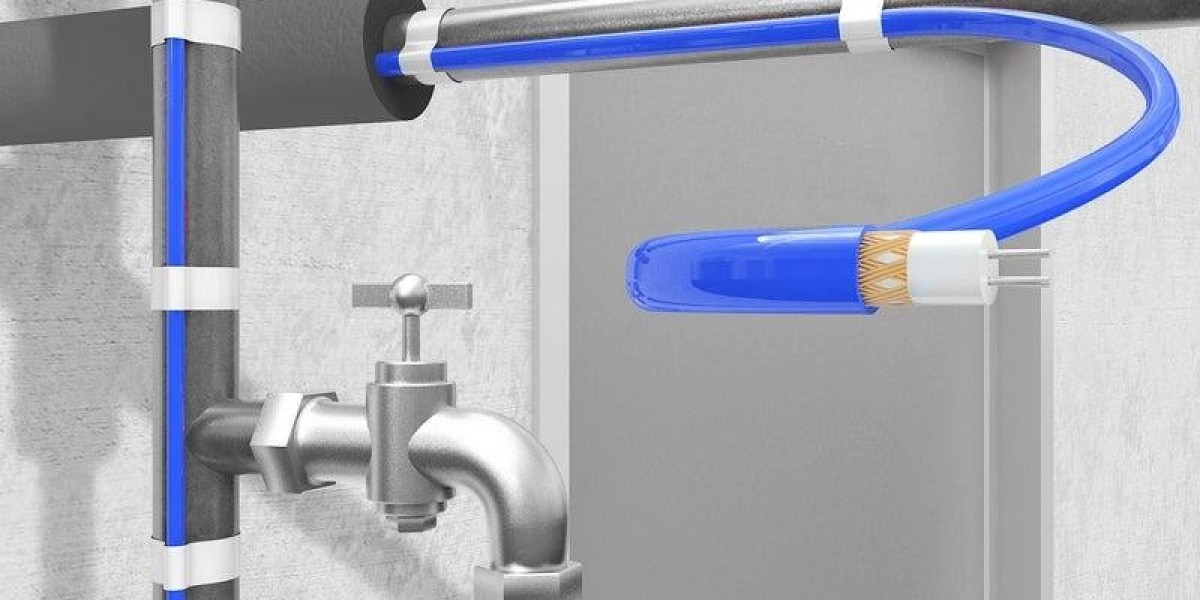
Heating cables are becoming an increasingly important component in modern heating, temperature-control, frost-protection, and process-management systems. These specialized cables generate controlled heat when electrical current passes through their conductive elements, allowing users to maintain desired temperatures across surfaces, pipes, floors, tanks, roofs, and industrial equipment.
Heating Cables Market intelligence provides a broader understanding of how technological progress, infrastructure development, energy considerations, industrial requirements, and changing installation practices are shaping demand. The market is no longer limited to conventional electric heating applications. Advancements in sensing, automation, insulation materials, and energy management are expanding the role of heating cables across residential, commercial, industrial, agricultural, and infrastructure environments.
Understanding Heating Cables Market Intelligence
Market intelligence involves analyzing the factors that influence demand, competition, product development, customer preferences, and future opportunities. For heating cables, this includes understanding differences among resistance cables, self-regulating cables, constant-wattage systems, mineral-insulated cables, and other specialized configurations.
The intelligence landscape also considers where heating cables are being deployed and why. Construction projects may require underfloor heating or snow-melting systems, while industrial facilities may prioritize freeze protection, process-temperature maintenance, and equipment protection.
Regional infrastructure conditions also have a significant influence. Areas exposed to severe winters create strong requirements for pipe freeze protection, roof and gutter heating, roadway systems, and outdoor equipment protection. Meanwhile, regions focused on energy-efficient buildings are encouraging the development of precisely controlled electric heating solutions.
Technology Development and Product Innovation
Technology is one of the strongest drivers of competitive differentiation in the heating cables industry. Manufacturers are increasingly concentrating on cables that provide consistent heating performance while minimizing unnecessary electricity consumption.
Self-regulating heating cables are particularly important because their heat output can adjust according to surrounding temperature conditions. This characteristic can improve operational efficiency and reduce overheating risks in suitable applications.
Smart controls are another emerging area. Heating systems can increasingly be combined with thermostats, sensors, timers, building-management platforms, and remote monitoring technologies. Such integration allows users to control heating according to temperature requirements, operating schedules, occupancy patterns, or environmental conditions.
Materials innovation is also influencing product design. Improvements in insulation, protective jackets, conductive materials, and resistance to chemicals or moisture can enhance durability in demanding environments.
Demand Intelligence Across Major Applications
Application diversity is an important element of Heating Cables Market intelligence. Residential construction remains a major area of adoption, particularly for electric floor heating in bathrooms, kitchens, living spaces, and other areas where localized comfort is desirable.
Commercial buildings use heating cables for floor heating, roof and gutter protection, entrance areas, ramps, and external surfaces. These applications can help reduce ice formation and improve safety during cold weather.
Industrial demand is more diverse. Heating cables can maintain process temperatures, protect pipelines from freezing, prevent condensation, and support temperature-sensitive operations. Industries handling chemicals, oil and gas, food products, pharmaceuticals, and other temperature-sensitive materials can require specialized cable configurations.
Agricultural applications provide another opportunity. Heating systems can help protect water lines, livestock facilities, greenhouse infrastructure, and other installations from low-temperature conditions.
Infrastructure and Construction Opportunities
Construction activity directly affects demand for heating cable systems. Modern buildings increasingly incorporate electrical heating solutions where conventional heating systems may not provide sufficient localized temperature control.
Infrastructure projects also create opportunities. Snow-melting cables can be installed beneath driveways, walkways, bridges, ramps, airport surfaces, and other areas where ice accumulation presents operational or safety challenges.
Renovation activity is equally significant. Older buildings often require upgrades to improve comfort, energy management, and protection against freezing conditions. Heating cables can be installed in targeted areas without requiring complete replacement of existing heating infrastructure.
Energy Efficiency and Sustainability Considerations
Energy efficiency has become a central component of purchasing decisions. Customers increasingly want heating systems that provide effective temperature control without unnecessary energy consumption.
Heating cables can support this objective when appropriately designed, installed, and controlled. Zoning allows users to heat only required areas, while thermostatic controls can prevent systems from operating continuously when heating is unnecessary.
However, energy performance depends on more than cable technology. Building insulation, installation quality, control settings, ambient conditions, and system design all influence overall consumption.
This creates opportunities for manufacturers to position heating cables as part of integrated energy-management solutions rather than standalone electrical products.
Competitive Intelligence and Market Positioning
Competition within the heating cables industry extends beyond product pricing. Manufacturers differentiate themselves through reliability, product lifespan, installation flexibility, safety features, customization, technical support, and compatibility with control systems.
Established manufacturers often benefit from broad product portfolios and established distribution networks. Smaller and specialized companies can compete by targeting niche applications or developing customized solutions for challenging environments.
Distribution strategies are also changing. Traditional electrical and industrial distributors remain important, while online channels are becoming increasingly relevant for contractors, installers, maintenance professionals, and smaller buyers.
Technical expertise can become a competitive advantage because customers frequently require guidance regarding cable selection, power requirements, installation patterns, controls, and environmental conditions.
Regional Market Intelligence
Regional demand varies according to climate, construction activity, industrial development, energy policies, and infrastructure investment.
North American markets benefit from demand for residential floor heating, industrial freeze protection, snow-melting applications, and pipeline protection. European markets place considerable emphasis on energy efficiency, building modernization, and advanced heating controls.
Asia-Pacific presents substantial long-term potential due to expanding construction, industrialization, infrastructure development, and increasing adoption of modern electrical systems. Cold-weather areas create additional demand for freeze protection and snow-management applications.
Emerging markets may experience growing adoption as awareness of electric heating technologies improves and construction standards become more sophisticated.
Key Factors Influencing Purchasing Decisions
Customers generally evaluate heating cables according to several practical considerations. Initial purchase cost remains important, but lifecycle economics are increasingly relevant.
Installation complexity can influence product selection, especially for contractors working under tight project schedules. Cable flexibility, cut-to-length capability, connection methods, and compatibility with existing electrical infrastructure can affect installation efficiency.
Safety is another critical factor. Products may need to withstand moisture, chemicals, mechanical stress, temperature fluctuations, and other environmental challenges depending on the application.
Reliability is particularly important in industrial and infrastructure environments because heating failure can lead to frozen pipes, equipment damage, operational interruptions, or safety concerns.
Challenges and Market Restraints
Despite strong opportunities, the industry faces several challenges. Electricity costs can influence customer decisions, particularly in applications requiring continuous heating.
Improper installation can also reduce system performance or create safety concerns. This makes professional installation, appropriate controls, and adherence to technical requirements essential.
Competition from alternative heating technologies may limit adoption in some applications. Hydronic systems, conventional insulation, heat pumps, and other technologies can compete with electric heating cables depending on building design and local economics.
Supply-chain fluctuations affecting conductive materials, insulation components, electronic controls, and specialized manufacturing inputs can also influence production costs and product availability.
Future Intelligence and Strategic Opportunities
The future direction of the industry is likely to be shaped by smart controls, improved materials, automation, and greater emphasis on energy optimization. Heating cables are expected to become increasingly integrated with sensors and intelligent control platforms.
Predictive monitoring could become more valuable in industrial applications by identifying abnormal temperature patterns or potential system failures before they cause major disruption.
Manufacturers may also focus on modular products that can be configured for specific applications. Customization can help address the requirements of industrial facilities, infrastructure projects, commercial buildings, and specialized equipment.
Another promising opportunity lies in combining heating cables with broader building and industrial automation systems. This approach can transform simple heating products into connected temperature-management solutions.
Conclusion
Heating Cables Market intelligence indicates an industry evolving from basic electrical heating toward more efficient, responsive, durable, and application-specific systems. Demand is being supported by construction activity, industrial temperature-control requirements, infrastructure protection, cold-weather applications, and the growing importance of energy management.
Technology, product reliability, smart controls, installation flexibility, and lifecycle performance will increasingly influence purchasing decisions. Manufacturers capable of combining dependable heating performance with intelligent control and specialized application expertise can strengthen their competitive position.
As buildings, industrial facilities, and infrastructure systems become more automated, heating cables are positioned to play a broader role in maintaining temperature, protecting assets, improving safety, and supporting efficient operations across diverse environments.