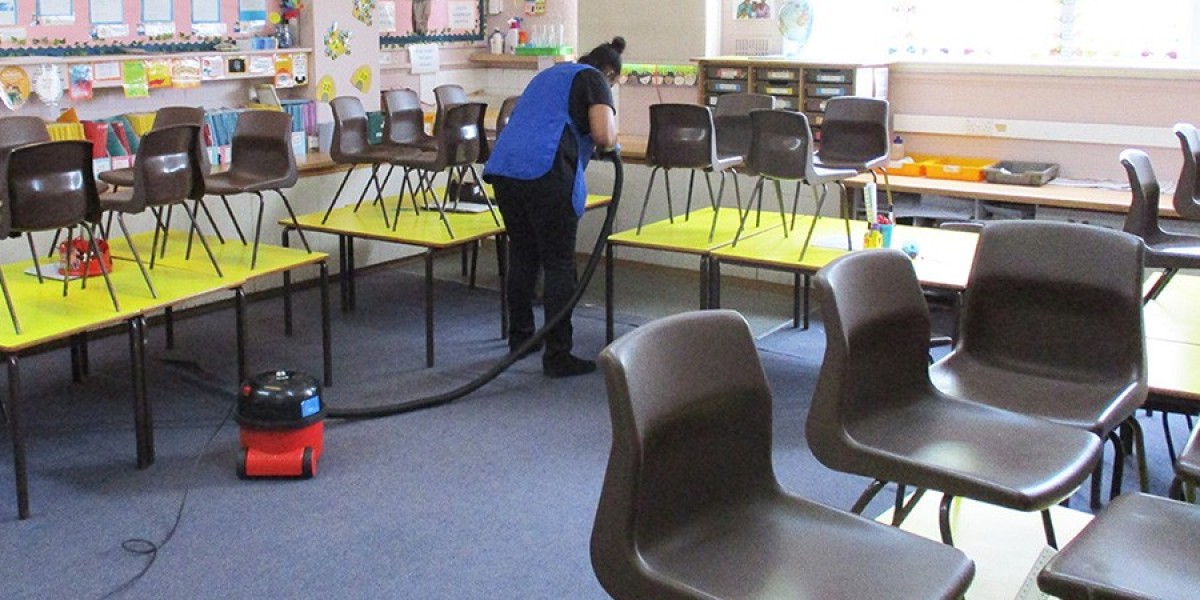


A clean workplace is more than an attractive environment. It contributes to employee wellbeing, supports productivity, creates a positive impression for visitors and helps businesses maintain professional standards throughout the working week. In a busy city such as Leeds, offices can experience heavy footfall, frequent meetings, shared equipment and constant movement between workspaces. Without a consistent cleaning routine, dust, dirt, bacteria and clutter can quickly build up.
Professional office cleaning leeds services provide businesses with a structured approach to maintaining hygienic and welcoming premises. From reception areas and meeting rooms to kitchens, washrooms and individual workstations, a thorough cleaning programme can be adapted around the needs of each workplace.
Modern businesses also expect cleaning providers to deliver reliable results without disrupting normal operations. A well-planned service therefore considers working hours, staff routines, building access, high-touch areas, environmental responsibilities and the specific requirements of different commercial spaces. The result is a workplace that looks professional while remaining comfortable and practical for employees and visitors.
Why a Clean Office Matters
A workplace is used by many people every day. Employees may share desks, keyboards, telephones, door handles, printers, kitchen facilities and meeting spaces. Consequently, areas that appear clean can still require regular attention.
Supporting Workplace Hygiene
Routine cleaning helps control the accumulation of dust, dirt and contaminants across frequently used areas. Desks, door handles, light switches, communal equipment and kitchen surfaces deserve particular attention because they are repeatedly touched throughout the day.
Washrooms and food preparation areas also require a consistent cleaning schedule. Regular sanitisation, appropriate waste removal and replenishment of essential supplies can make these facilities more pleasant and hygienic for everyone.
Improving Employee Comfort
People spend a significant portion of their working day inside offices. A clean environment can make the workplace feel more organised and comfortable, particularly when cleaning is carried out consistently rather than only before important meetings or inspections.
Clean floors, dust-free surfaces and fresh communal areas contribute to a more pleasant atmosphere. In addition, keeping clutter and waste under control helps maintain a professional working environment.
What Professional Office Cleaning Can Include
Every business has different cleaning requirements. A small office may need a straightforward daily service, while a larger commercial building may require several cleaning teams and a detailed schedule.
Reception and Entrance Areas
The reception area is often the first part of a business that visitors see. Floors, glass surfaces, doors, reception desks and seating areas should therefore receive regular attention.
Entrance areas can also collect considerable amounts of dirt, particularly during wet or busy weather. Vacuuming, mopping and appropriate floor care help maintain a cleaner appearance while reducing the amount of dirt carried into other parts of the building.
Desks and Workstations
Workstations require careful cleaning because employees spend extended periods using them. Dusting surfaces, cleaning accessible equipment areas and removing waste can help maintain a more organised environment.
Cleaning should be performed in a way that respects personal belongings and workplace equipment. Sensitive electronics should not be exposed to excessive moisture, while shared equipment should receive appropriate attention.
Kitchens and Break Rooms
Office kitchens can become busy throughout the day. Worktops, tables, sinks, cupboard handles and frequently touched surfaces need regular cleaning.
Floors should also be maintained to deal with food crumbs, spills and general traffic. Waste bins should be emptied according to the workplace schedule to prevent unpleasant odours and unnecessary hygiene concerns.
Toilets and Washrooms
Washrooms require particularly consistent attention. Cleaning routines may include toilets, sinks, taps, mirrors, floors, cubicle surfaces and other frequently touched areas.
Supplies such as hand soap, toilet tissue and paper towels should also be monitored. A well-maintained washroom reflects positively on the business and contributes to a more comfortable experience for employees and visitors.
Building a Reliable Cleaning Schedule
Consistency is one of the most important aspects of commercial cleaning. A workplace should not depend on occasional deep cleans to maintain acceptable standards.
Daily Cleaning Tasks
Daily tasks may include vacuuming, mopping, surface cleaning, waste removal, washroom maintenance and attention to kitchen areas. High-traffic zones may require additional cleaning depending on the number of people using the building.
The exact schedule should reflect the size and usage of the premises. A small office with limited staff may have different requirements from a multi-floor corporate workplace.
Weekly and Periodic Tasks
Some cleaning jobs do not necessarily need to be completed every day. Internal glass cleaning, detailed dusting, skirting-board cleaning and deeper floor care can be scheduled weekly or periodically.
Seasonal requirements should also be considered. For example, entrances may need more frequent attention during periods of heavy rain, while ventilation areas and less accessible surfaces can benefit from scheduled deep cleaning.
Choosing a Professional Cleaning Company in Leeds
Selecting a cleaning provider should involve more than comparing prices. Businesses should consider reliability, communication, cleaning standards, flexibility and the provider's understanding of commercial environments.
Experience and Professional Standards
An experienced cleaning team should understand how to work around employees, visitors, equipment and business operations. Professional cleaners should also know how different surfaces require different cleaning methods.
CleanVerge focuses on practical cleaning requirements that help businesses maintain consistently presentable workplaces. A structured approach can make it easier to identify priority areas, establish cleaning frequencies and maintain agreed standards.
Flexible Cleaning Arrangements
Office working patterns are changing. Some companies operate traditional working hours, while others use hybrid schedules or remain open late into the evening.
A flexible cleaning arrangement can help minimise disruption. Cleaning can be organised before employees arrive, after working hours or at another suitable time depending on the premises.
Communication and Quality Control
Clear communication is essential for maintaining consistent service. Businesses should be able to report issues, request adjustments and discuss changing requirements without unnecessary complications.
CleanVerge can be incorporated into a workplace's regular maintenance routine so that cleaning requirements are approached systematically rather than reactively.
Sustainable Cleaning Practices
Environmental responsibility is increasingly important for businesses. Cleaning operations can contribute to unnecessary waste if products, water and disposable materials are used without consideration.
Responsible Product Selection
Where appropriate, cleaning providers can use products and methods designed to reduce unnecessary environmental impact while still delivering effective results. The suitability of a product should always depend on the surface, cleaning requirement and safety considerations.
Reducing Waste
Waste management is another important part of responsible office maintenance. Separating recyclable materials, reducing unnecessary disposable products and using supplies efficiently can support broader workplace sustainability goals.
Businesses can also discuss their environmental expectations with cleaning providers when establishing a service schedule.
Maintaining High-Traffic Areas
Some parts of an office become dirty more quickly than others. Entranceways, corridors, staircases, lifts, kitchens and shared meeting rooms can require additional attention.
Floors and Carpets
Flooring receives constant traffic and can quickly show signs of dirt. Regular vacuuming and mopping help remove everyday debris, while periodic deeper cleaning can help maintain carpets and hard flooring.
Different flooring materials require different methods. Using the correct equipment and cleaning products helps reduce the risk of unnecessary damage.
Frequently Touched Surfaces
Door handles, switches, lift buttons, taps and shared equipment can receive repeated contact. Including these areas within routine cleaning helps maintain better overall hygiene.
A good cleaning programme should prioritise surfaces according to how frequently they are used rather than simply treating every area in exactly the same way.
Cleaning Around Modern Office Technology
Today's workplaces contain computers, monitors, printers, telephones, charging equipment and other electronic devices. Cleaning around technology requires care.
Protecting Workplace Equipment
Electronic equipment should be cleaned using suitable methods that minimise the risk of moisture or cleaning products entering sensitive components.
Professional cleaners should understand which surfaces can be wiped directly and which require a more cautious approach. Employees can also help by keeping personal equipment organised and accessible for routine cleaning.
Shared Equipment
Printers, photocopiers, meeting-room screens and other communal devices can be touched by many employees. These areas should form part of a broader workplace cleaning plan, particularly where equipment is used frequently.
Preparing an Office for Visitors and Meetings
Businesses regularly welcome clients, suppliers, candidates and other visitors. Meeting rooms and reception areas therefore deserve particular attention.
Professional First Impressions
A tidy entrance, clean floors and well-maintained meeting rooms can create a stronger first impression. While cleanliness alone does not determine how a business is perceived, it contributes to the overall presentation of the organisation.
Before important meetings, businesses may also arrange additional attention to reception seating, glass surfaces, conference tables, washrooms and other visitor-facing areas.
How Businesses Can Maintain Cleanliness Between Visits
Professional cleaning is only one part of maintaining a good workplace environment. Employees can also contribute through simple daily habits.
Encourage Organised Workspaces
Employees should be encouraged to dispose of rubbish appropriately, keep shared spaces tidy and avoid leaving food or drinks unattended.
Small habits can reduce unnecessary mess and make scheduled cleaning more effective.
Keep Shared Areas Clear
Meeting rooms, kitchens and communal spaces should be left ready for the next person. Clearing used cups, food packaging and paperwork helps cleaning teams work efficiently.
Businesses can also provide suitable bins and storage areas to make good workplace habits easier to follow.
Long-Term Benefits of Professional Cleaning
A consistent cleaning programme can support several aspects of workplace management. It can improve presentation, maintain hygiene standards, reduce visible dirt and create a more comfortable environment.
For businesses searching for office cleaning leeds, the most suitable service is one that matches the building's size, occupancy, operating hours and cleaning priorities. Rather than applying the same schedule to every company, a tailored approach can focus resources on areas that need them most.
A reliable cleaning routine can also reduce the pressure on employees to manage cleaning tasks themselves. Staff can concentrate on their responsibilities while trained cleaners handle routine workplace maintenance.
Creating a Consistent Workplace Standard
Cleanliness should be treated as an ongoing process rather than a one-time task. A workplace can look excellent immediately after a deep clean but quickly return to an untidy condition without regular maintenance.
Reviewing Cleaning Requirements
Businesses should periodically review their cleaning requirements. Changes in staffing levels, office layout, working hours or building usage may affect how frequently different areas need attention.
A cleaning schedule that worked for a small team may need to be adjusted when the business grows. Likewise, hybrid working may change the frequency required in certain areas while increasing the importance of shared spaces.
Responding to Changing Needs
Professional cleaning arrangements should be adaptable. Seasonal changes, office events, renovations, new staff areas and changes in occupancy can all create additional cleaning requirements.
An adaptable service allows businesses to maintain consistent standards without unnecessarily paying for cleaning that does not match their actual needs.
Conclusion
A clean office supports a healthier, more comfortable and professional working environment. From reception areas and workstations to kitchens, washrooms and high-traffic floors, every part of a workplace contributes to the overall standard of the building. Regular cleaning also helps businesses create a positive impression for employees, clients and visitors.
For organisations considering office cleaning leeds, choosing a reliable and flexible cleaning programme is an important part of effective workplace maintenance. The right approach should combine consistent routines, appropriate cleaning methods, attention to high-touch areas, responsible product use and the flexibility to respond to changing business requirements. With a professional and carefully planned service from CleanVerge, businesses can maintain a workplace that remains clean, welcoming and ready for everyday operations.