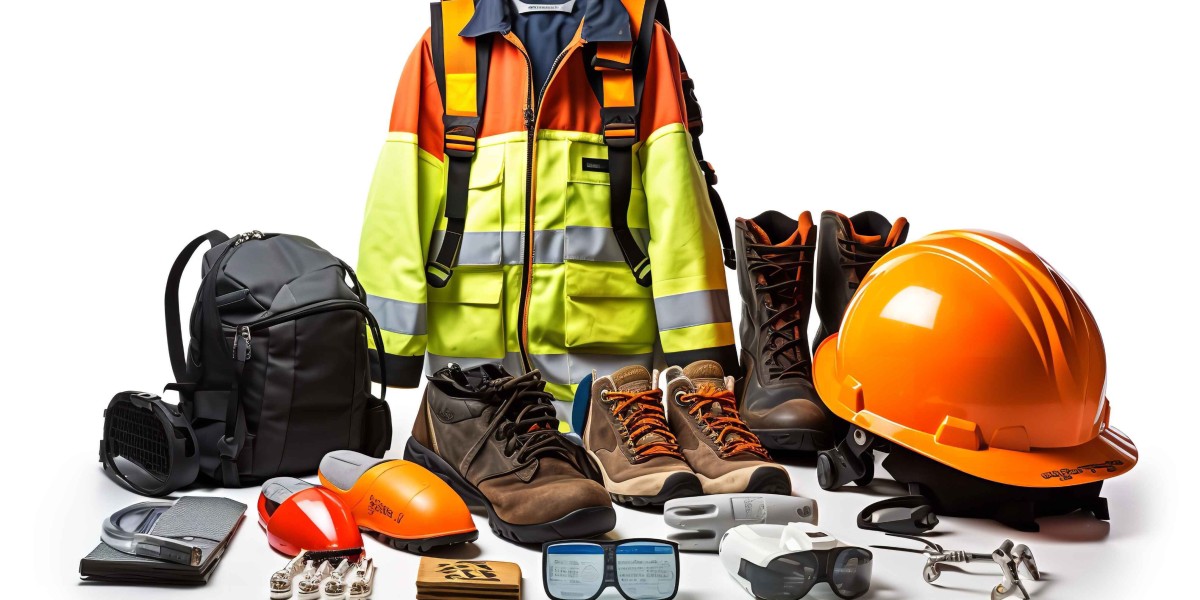


Uniform requirements vary dramatically between industries. A chef working in a commercial kitchen needs clothing designed around a completely different environment from someone working on a construction site, warehouse floor or roadside project.
For hospitality businesses, something as simple as a chefs hat can form part of a professional kitchen uniform, while workers in higher-visibility environments may require garments designed to help them remain noticeable on site.
Understanding the purpose of each garment makes it easier to build a uniform around the actual job rather than purchasing workwear simply because it looks appropriate.
Why Does Industry-Specific Workwear Matter?
A uniform performs several functions.
Depending on the industry, it can help support:
Workplace identification
Team consistency
Professional presentation
Visibility
Comfort
Practical movement
Workplace clothing requirements
The important point is that different roles require different combinations of these qualities.
A restaurant kitchen, warehouse and civil worksite should not be approached with the same clothing checklist.
What Is the Role of a Chef Hat?
Chef headwear has long been associated with professional kitchens and food-service environments.
Modern kitchen uniforms can include several headwear styles depending on the organisation, role and internal requirements.
When selecting chef headwear, consider:
Comfort during long shifts
Fit
Kitchen temperature
Ease of care
Uniform colour
Compatibility with the rest of the kitchen uniform
Employer policies
A coordinated uniform can also help distinguish kitchen staff and support a consistent professional appearance.
Build the Whole Hospitality Uniform Together
Rather than selecting headwear in isolation, businesses should consider how it works alongside:
Chef jackets
Shirts
Aprons
Pants
Footwear
Other kitchen accessories
Keeping the uniform coordinated can make purchasing replacements and onboarding new employees easier.
Why Are Hi Vis Vests So Common?
High-visibility vests are commonly used because they can be worn as an outer layer over other clothing.
For workers who need additional visibility, a hi vis vest can provide a practical layering option, but the correct product must always be chosen according to the specific workplace, task and applicable safety requirements.
Vests can be useful where workers need:
Easy layering
A lightweight outer garment
Clear identification
Additional visibility
Clothing that can be removed when moving between work areas
However, simply owning a brightly coloured vest does not automatically make it appropriate for every site or task.
What Should You Check Before Buying Hi Vis Clothing?
Workplace safety clothing should be chosen carefully.
Consider:
The Working Environment
Is the worker indoors, outdoors, roadside, around vehicles or working at night?
Site Requirements
Employers, contractors and worksites may establish specific requirements for approved clothing.
Garment Condition
High-visibility clothing needs to remain in suitable condition. Excessive dirt, fading or damage can affect its useful performance and professional appearance.
Layering
Think about what will be worn underneath and over the garment during different seasons.
Where Do Hi Vis Hoodies Fit In?
Cool mornings and winter conditions can create another challenge: maintaining warmth while wearing clothing suitable for the work environment.
A hoodie can provide an additional layer where it is appropriate for the role.
Unlike a lightweight vest, a hoodie may be selected when warmth and coverage are more important.
Workers should consider:
Fabric weight
Fit
Hood design
Pocket layout
Layering room
Workplace requirements
How easily the garment allows movement
A bulky garment may be warm but can become inconvenient if it restricts movement or interferes with other equipment.
How Should Businesses Build Staff Uniforms?
Uniform selection becomes easier when employers start with job roles rather than individual products.
Create a simple list for each role.
Hospitality Team
Consider:
Headwear
Chef jackets or shirts
Aprons
Suitable pants
Appropriate footwear
Warehouse Team
Depending on the workplace:
Shirts or polos
Pants or shorts
Visibility garments
Work footwear
Seasonal outerwear
Trade or Site Team
Requirements may include:
Site-appropriate shirts
Work pants
High-visibility clothing
Outer layers
Footwear
PPE appropriate to the task
This role-based approach can reduce unnecessary purchases and make uniform ordering easier to manage.
What About Company Branding?
Once the basic garments have been chosen, employers can decide whether uniforms need logos, employee names or other identifiers.
Branded uniforms can help customers recognise employees and can create a more consistent appearance across a team.
The branding method should be selected according to factors such as:
Garment fabric
Logo complexity
Logo size
Placement
Number of colours
Intended use of the clothing
Embroidery and printed decoration can each suit different garment types and designs.
Why Choose Kings Workwear?
Kings Workwear provides Perth businesses and workers with access to workwear, footwear and safety clothing across a broad selection of categories. The company also provides custom embroidery and screen-printing services, which can be useful when businesses want their hospitality, trade or corporate uniforms to carry consistent branding. Its broad product mix allows organisations with workers in different roles to source multiple uniform requirements through one workwear retailer.
Prepare for Changing Conditions
Adding a hi vis hoodie to an appropriate workwear rotation can give workers another option when conditions become cooler, provided the garment suits the workplace and required visibility level.
Rather than buying the same uniform for every month of the year, consider seasonal layers that can be added or removed as conditions change.
Final Thoughts
Chef headwear, visibility vests and hoodies serve very different purposes, demonstrating why there is no universal work uniform.
Start with the worker's role, environment and workplace requirements. From there, choose garments for fit, comfort, practicality and presentation.
A thoughtful role-based uniform is far more useful than simply selecting popular products without considering where and how they will actually be worn.