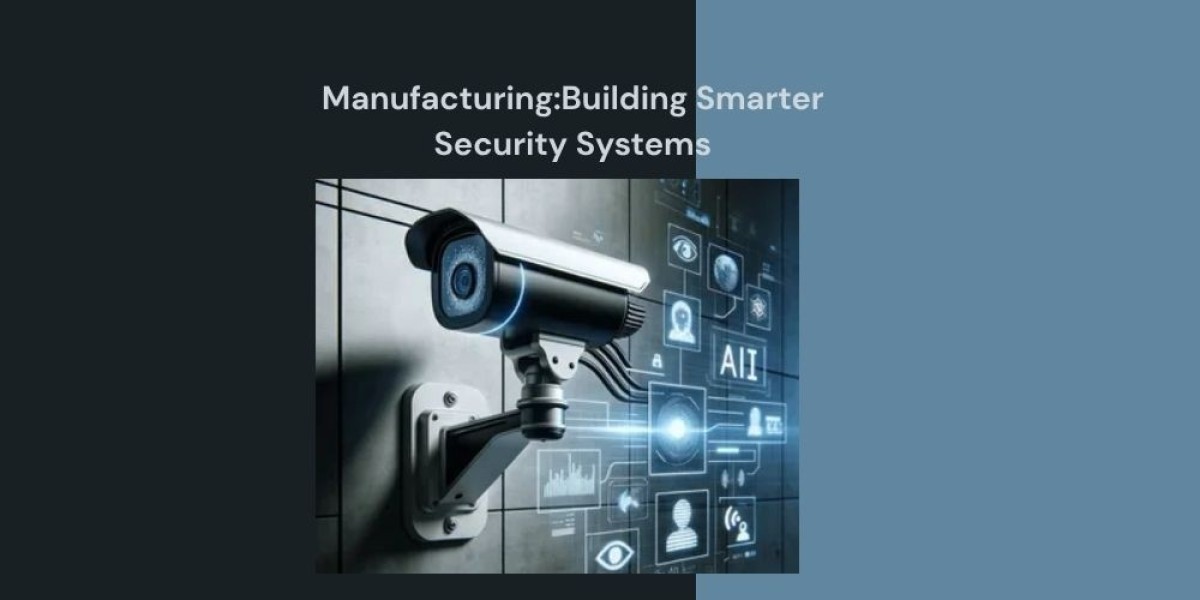


Security cameras have become an important part of modern security systems. They are used in homes, offices, factories, warehouses, retail stores, and large industrial sites. As security needs grow, cameras must offer more than basic video recording. Clear images, reliable connectivity, night vision, smart features, and durable construction are now essential.
Surveillance camera design and manufacturing brings together optics, electronics, software, and precision engineering to create dependable security products. From selecting the right image sensor to testing the final camera, every stage plays an important role in delivering consistent performance.
What Is Surveillance Camera Design and Manufacturing?
Surveillance camera design and manufacturing is the process of planning, engineering, assembling, and testing security cameras for different applications. A camera may be designed for indoor monitoring, outdoor security, industrial environments, or specialized requirements.
The development process can include CMOS image sensors, lenses, circuit boards, processors, firmware, infrared LEDs, enclosures, and connectivity components. Engineers also consider camera size, image quality, power requirements, heat management, and ease of installation.
Modern cameras can include AI-based analytics, motion detection, image enhancement, edge processing, cloud connectivity, and advanced video compression. These features help security teams monitor locations more effectively and respond to events faster.
Key Elements of Modern Surveillance Camera Design

Optics and Image Sensors
The lens and image sensor directly affect video quality. High-quality sensors can capture clearer images, while suitable lenses help provide the required viewing angle. Wide Dynamic Range (WDR) can also improve visibility when a scene contains both very bright and dark areas.
Low-light performance is another important factor. Infrared technology can help cameras capture useful footage in dark environments without relying on visible lighting.
Durable and Weather-Resistant Housing
Outdoor cameras need protection from rain, dust, temperature changes, and other environmental conditions. Designers create strong enclosures that protect internal components while keeping the camera compact and practical.
Depending on the application, manufacturers may test cameras for water and dust resistance, thermal tolerance, vibration, and overall durability. These checks are especially important for cameras installed in demanding industrial or outdoor locations.
Connectivity and Smart Features
Modern security cameras may support Wi-Fi, Ethernet, or Power over Ethernet (PoE), depending on their design. Reliable connectivity allows video to move efficiently between cameras, recording systems, and monitoring platforms.
A Video management system can bring multiple cameras together in one interface. It can help users view live footage, manage recordings, search video, and control connected devices. When cameras and management software work together, security teams can manage larger deployments more efficiently.
How Are Surveillance Cameras Manufactured?
The manufacturing stage turns an engineered design into a working product. Electronics may be assembled using surface-mount technology (SMT), followed by integration of image sensors, lenses, circuit boards, processors, and other components.
Lens alignment and calibration are important because even small inaccuracies can affect image quality. Automated calibration can help maintain consistent performance across large production volumes.
The casing is then integrated with the electronic components, followed by firmware installation and functional checks. Manufacturers may test connectivity, image quality, power performance, software functions, and video stability before the product is packaged.
Types of Surveillance Cameras
Different environments require different camera designs. Common options include dome cameras, bullet cameras, PTZ cameras, IP cameras, and thermal cameras.
Dome cameras are often suitable for indoor and commercial spaces because of their compact appearance. Bullet cameras can be useful for outdoor monitoring. PTZ cameras allow users to pan, tilt, and zoom across larger areas. Thermal cameras can support monitoring in low-visibility conditions.
Customized cameras may also be developed for specific residential, commercial, or industrial requirements.
Quality Testing and Performance
Quality testing is a critical part of surveillance camera design and manufacturing. Manufacturers need to ensure that cameras work reliably under expected operating conditions.
Testing may cover image clarity, color accuracy, low-light performance, connectivity, firmware functions, video compression, and recording stability. Environmental testing can check resistance to dust, water, heat, cold, and other conditions.
Security and privacy should also be considered, particularly for connected cameras used in commercial environments. Secure firmware, controlled access, and appropriate data protection practices can help reduce security risks.
The Role of a Video Management System
A Video management system helps organize and control video from multiple surveillance cameras. Instead of managing each camera separately, users can monitor feeds, review recordings, configure alerts, and manage video operations from a centralized platform.
When combined with AI analytics, cameras can support functions such as motion detection, object identification, and event-based alerts. This can reduce the need for constant manual monitoring and help security teams focus on important events.
Conclusion
Reliable security starts with well-designed hardware and careful manufacturing. Surveillance camera design and manufacturing combines optics, sensors, electronics, software, connectivity, and durable construction to create cameras suited to real-world security needs.
From dome and bullet cameras to PTZ, IP, thermal, and customized systems, manufacturers can develop solutions for different environments. With strong testing, smart features, and an effective Video management system, modern surveillance technology can provide clearer visibility, dependable monitoring, and stronger security for residential, commercial, and industrial applications.