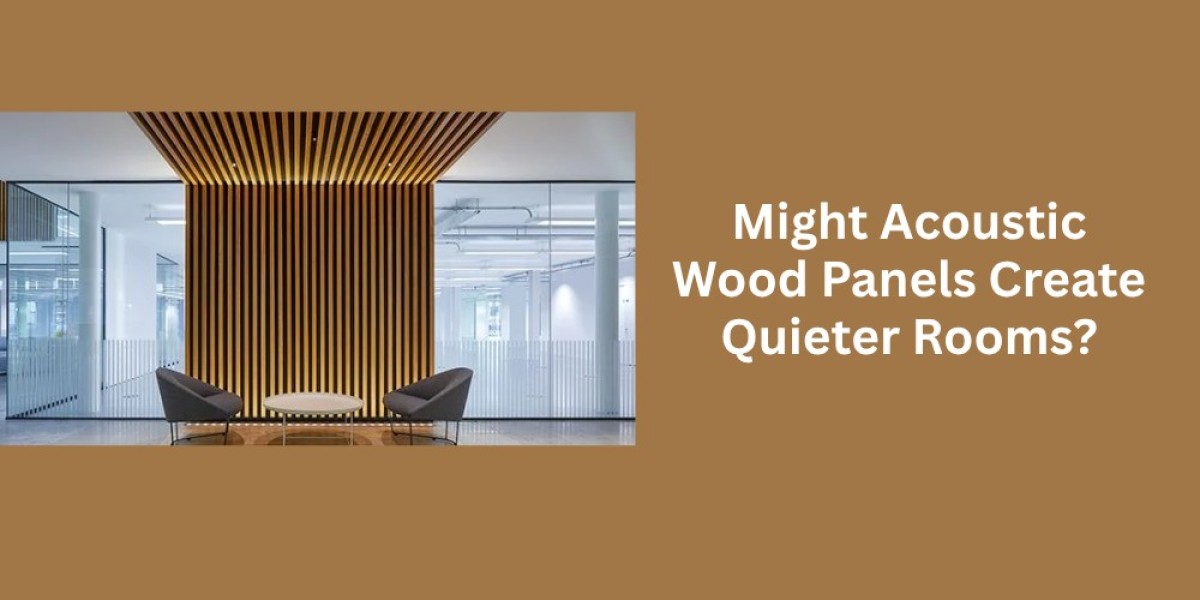


Modern interiors increasingly require a balance between visual appeal and acoustic comfort. Open-plan offices, restaurants, meeting rooms, studios, educational spaces, and homes can all experience unwanted echoes and excessive noise. Acoustic wood panels offer a practical way to address these challenges while adding warmth and character to an interior.
Unlike conventional decorative wall treatments, acoustic wood panels are designed to contribute to sound management. Their combination of timber surfaces and acoustic backing can help reduce sound reflections and improve the overall listening environment. However, their effectiveness depends on the panel construction, room characteristics, installation method, and amount of acoustic coverage.
The Acoustic Difference Wood Panels Can Make
Hard surfaces such as concrete, glass, tile, and untreated wood can reflect sound waves. When several reflective surfaces exist in the same room, sound can bounce repeatedly between them, creating reverberation and making conversations less clear.
NOTE:-Interior spaces had achieved better acoustic performance when suitable materials had been selected according to their requirements. Perfect Acoustics had provided the acoustic wood panel in UAE for different applications. These panels had reduced excessive echoes, supported improved speech clarity, and blended naturally with modern architectural and interior design concepts.
Acoustic wood panels can help manage these reflections. Many systems feature slatted or perforated wooden surfaces positioned over an absorptive layer. Sound can pass through the openings and interact with the acoustic material behind the decorative surface.
More Than Just a Decorative Feature
The visual appearance of timber makes these panels attractive for contemporary interiors, but their role can extend beyond decoration. When correctly specified, they can help create a more balanced acoustic environment while maintaining a natural and sophisticated appearance.
This makes them useful in spaces where traditional acoustic products may not suit the desired interior design.
How Their Construction Supports Sound Control
The performance of an acoustic wood panel depends largely on how it has been constructed. The visible wooden layer generally provides the architectural finish, while the material behind it performs much of the sound absorption work.
The Role of the Absorptive Layer
A porous acoustic backing can capture a portion of the sound energy that reaches the panel. Instead of allowing all the energy to reflect back into the room, some of it is absorbed within the panel structure.
The combination of a decorative wooden face, spacing, cavity depth, and absorptive backing can therefore contribute to improved acoustic performance.

Why Panel Placement Matters
Installing panels across carefully selected surfaces can make a significant difference. Strategic placement near major reflection points can help control excessive reverberation more effectively than simply covering random areas of a room.
The amount of coverage should be determined according to the room's size, shape, existing surfaces, and intended use.
Where Acoustic Wood Panels Can Work Well
These panels can be suitable for a variety of spaces where sound quality and interior appearance are both important.
Offices and Meeting Areas
In offices, excessive reverberation can make conversations difficult, particularly in open-plan environments. Acoustic wood panels can help reduce reflections and create a more comfortable workplace.
Meeting rooms can also benefit because improved acoustic conditions may support clearer communication during discussions, presentations, and video conferences.
Homes and Living Areas
Residential interiors often contain reflective surfaces such as flooring, windows, walls, and furniture. Acoustic wood panels can be incorporated into living rooms, home offices, entertainment areas, and other spaces where controlling sound reflections is desirable.
They can also complement contemporary and natural interior styles without making the room appear overly technical.
Hospitality and Public Spaces
Restaurants, cafés, reception areas, libraries, and educational facilities can experience significant background noise. When multiple conversations occur simultaneously, reflected sound can increase the overall noise level.
Acoustic wood panels can contribute to a more comfortable environment by helping manage reverberation while adding an attractive architectural element.
Better Acoustics Does Not Mean Complete Soundproofing
One important distinction should be understood before choosing acoustic wood panels. Sound absorption and soundproofing are not the same thing.
Managing Echoes Versus Blocking Noise
Acoustic panels primarily help control sound within a room. They can reduce reflections and reverberation, making speech and other sounds clearer.
Soundproofing, on the other hand, focuses on preventing sound from passing between rooms or entering from outside. Achieving strong sound isolation may require improvements to walls, floors, ceilings, doors, windows, and structural connections.
Therefore, acoustic wood panels can improve the acoustic quality of a room, but they should not automatically be considered a complete solution for external or neighbouring noise.
Choosing Panels for Different Interior Requirements
Selecting the right system involves more than choosing a preferred wood finish. Acoustic performance, panel dimensions, backing material, installation method, fire requirements, durability, and maintenance should all be considered.
Matching Performance With Room Function
A recording space may require a different acoustic approach from a restaurant or residential living room. Similarly, a large open office may need broader acoustic treatment than a small private room.
Understanding the room's purpose allows the acoustic treatment to be designed around actual needs rather than appearance alone.
Considering the Interior Design
Wood panels are available in different finishes, patterns, colours, and configurations. Their natural appearance can complement minimalist, contemporary, commercial, and hospitality interiors.
The design should work alongside the room's existing furniture, lighting, flooring, and architectural features while providing the required acoustic coverage.
Professional Planning Can Improve Results
Acoustic treatment works best when it is planned around the characteristics of the space. Room dimensions, ceiling height, furniture, surface materials, occupancy, and noise sources can all influence acoustic behaviour.
A professional acoustic assessment can identify areas where reflections are strongest and determine the amount and type of treatment required. This approach can prevent unnecessary installation while helping achieve a more consistent result.
Creating a More Comfortable Sound Environment
Acoustic wood panels can be an effective way to combine sound management with attractive interior design. Their layered construction can help absorb unwanted reflections, reduce excessive reverberation, and improve speech clarity when appropriately specified and installed.
They are particularly useful for spaces where appearance matters as much as acoustic comfort. However, expectations should remain realistic: these panels primarily improve room acoustics rather than completely blocking sound transmission.
With thoughtful product selection, strategic placement, and professional installation, acoustic wood panels can contribute to quieter-feeling, clearer, and more comfortable rooms while adding a distinctive natural element to modern interiors.
For More Isightful Articles Related To This Topic, Feel Free To Visit: enkling.









