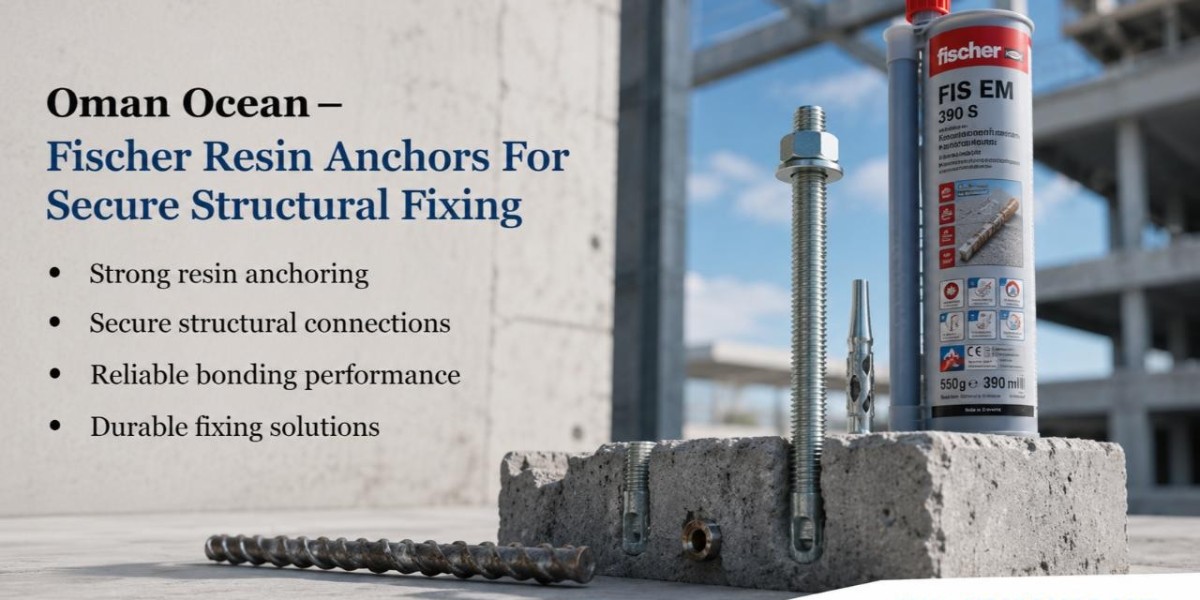


When you need to mount heavy equipment, post-install rebar, or secure structural steel to concrete, standard expansion plugs just will not cut it. Heavy loads demand a connection that effectively merges with the base material, which brings us to the impressive engineering behind the Fischer Resin Anchor. Unlike mechanical fasteners that rely on pushing outward against wall cavities, chemical anchoring systems rely on sophisticated liquid chemistry to lock studs directly into solid substrates. Understanding how this adhesive technology creates an unbreakable link reveals why engineers choose a Fischer Resin Anchor for their most demanding construction projects.
Introduction to Chemical Anchoring Mechanics
To appreciate why resin mortar works so well, you first have to look at why traditional mechanical anchors fail under extreme stress. Mechanical anchors operate via expansion—they wedge themselves tightly inside a drilled hole. While this works fine for light loads, it creates intense internal outward pressure. If you place mechanical anchors too close together, or too near the edge of a concrete slab, that expanding pressure can easily crack or shatter the concrete surrounding it.
Chemical anchoring takes a completely different route. Instead of forcing the base material apart, it fills every micro-crevice of the drilled hole with a liquid compound that hardens into solid synthetic stone. The liquid surrounds the threaded rod, bonding seamlessly with both the steel stud and the inner walls of the masonry. When force is applied, the stress distributes evenly along the entire depth of the hole rather than concentrating at a single expansion point.
What Gives Fischer Resin Mortar Its Bond Power?
The true secret behind the strength of resin mortar lies in its dynamic two-component chemistry. Inside a standard cartridge, two distinct substances sit side-by-side without touching: a base resin (typically vinyl ester, epoxy, or polyester) and a hardener compound.
When you squeeze the dispenser trigger, both components pass simultaneously through a specialized static mixing nozzle. This spiral nozzle forces the liquid streams to fold over one another dozens of times, initiating a powerful cross-linking reaction right as it enters the drilled hole.
The Curing Process and Micro-Mechanical Interlocking
Once mixed, a complex transformation takes place inside the cavity:
Polymer Cross-Linking: The hardener triggers a chain reaction that locks the liquid resin molecules into a dense, rigid three-dimensional matrix.
Surface Adhesion: The liquid naturally flows into microscopic pores, pits, and rough texture along the concrete wall, creating thousands of tiny anchor points as it sets.
Zero Shrinkage: High-grade formulas do not shrink as they cure, maintaining continuous, tight contact with both the metal rod and the concrete substrate.
Sealed Connection: The solid resin creates an airtight, waterproof seal that shields the embedded steel rod from moisture and corrosive elements.
This combination of chemical adhesion and mechanical interlocking creates a bond that often ends up stronger than the surrounding concrete itself. Under extreme tension tests, the concrete base will typically fracture before the resin-to-steel bond gives way.
Key Features That Drive Superior Performance
Engineers and site contractors turn to high-grade chemical mortars because they solve complex structural challenges that standard hardware cannot handle.
High Load-Bearing Capacity
Because the adhesive distributes tension across the entire embedded surface area of the anchor rod, it supports massive static and dynamic weight. This makes chemical mortar ideal for heavy industrial machinery installation, structural steel columns, and safety barriers.
Zero-Expansion Stress
Without outward wedging forces, you can safely install studs close to edges, corners, and neighboring fasteners. This flexibility is essential when retrofitting existing structures or working on tight columns where structural real estate is limited.
Versatile Base Compatibility
Whether working with solid concrete, lightweight aerated blocks, or hollow bricks, chemical mortars adapt effortlessly. When working on tricky substrates, using a specialized chemical injection mortar alongside mesh sleeves helps control resin flow while forming a reliable internal anchor block inside hollow spaces.
Environmental Resistance
Once fully cured, resin mortar stands up exceptionally well to environmental stress. It resists vibration, prevents water ingress, withstands temperature fluctuations, and tolerates harsh chemical exposures that would normally degrade mechanical connections over time.
Best Practices for Installing a Fischer Resin Anchor
Even the most advanced adhesive system will fail if installed incorrectly. Achieving maximum bond strength requires careful site preparation and attention to detail during application.
Proper Hole Cleaning Is Non-Negotiable
Dust is the absolute enemy of chemical anchoring. Drilling creates fine concrete powder that lines the inner walls of the hole. If you inject resin directly over this dust layer, the adhesive bonds to the loose powder rather than the solid wall, cutting your load capacity dramatically. Always use a combination of compressed air blowouts and steel wire brushing—following the standard blow-brush-blow routine—until the cavity is completely clean and dust-free.
Temperature and Cure Times
Resin curing times depend heavily on ambient and substrate temperatures. Warm weather speeds up the chemical reaction, giving you a shorter working time to insert your rod, but allowing for a faster full cure. Cold weather slows down the reaction significantly. Always check the manufacturer's temperature charts to ensure you do not disturb the anchor before the resin has completely hardened.
Conclusion
Choosing the right chemical fastening solution ensures structural safety, long-term durability, and peace of mind on every job site. From heavy industrial builds to precise structural retrofits, high-performance adhesive systems deliver unmatched stability where mechanical fasteners fall short. For reliable supply and expert guidance on sourcing the genuine Fischer Resin Anchor for your construction projects, trust the industry-leading products provided by Oman Ocean Trading LLC.









