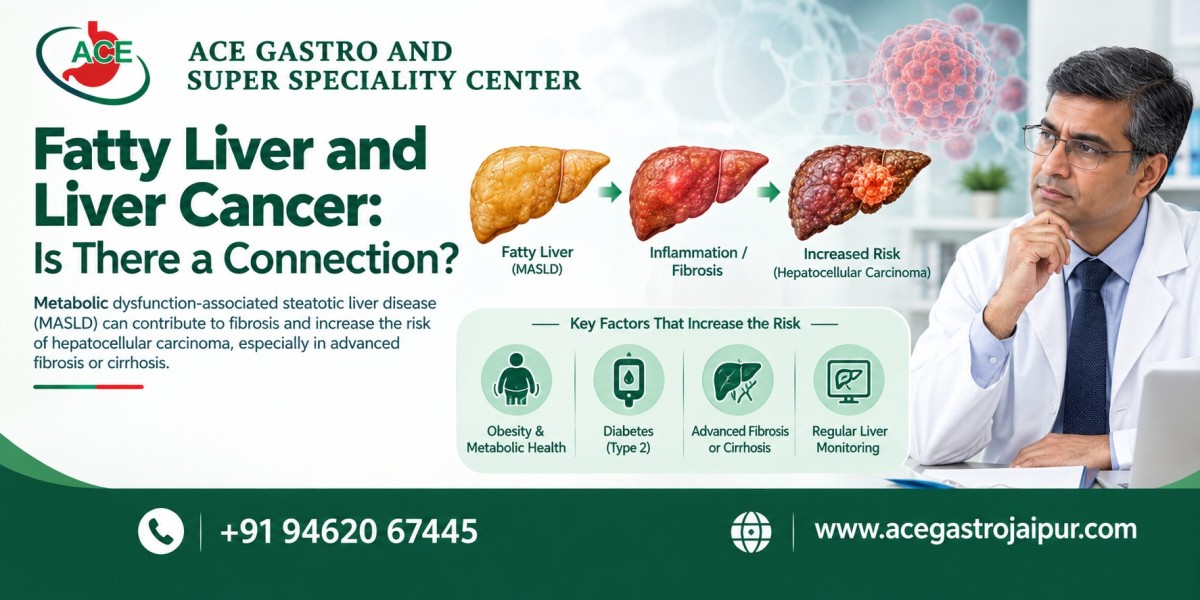


Fatty liver disease occurs when excess fat accumulates in the liver. It is increasingly common and can be associated with obesity, diabetes, high cholesterol, metabolic syndrome, and certain lifestyle factors. While having fatty liver does not mean that a person will develop liver cancer, some forms of fatty liver disease can progress to liver inflammation, fibrosis, cirrhosis, and, in some cases, liver cancer.
Understanding this connection is important for people living with fatty liver disease. Regular medical evaluation and appropriate lifestyle management can help reduce the risk of progressive liver damage. If advanced disease develops, a Liver Specialist in Jaipur can assess the condition and recommend appropriate monitoring and treatment.
Can Fatty Liver Lead to Liver Cancer?
Not everyone with fatty liver will develop liver cancer. However, chronic liver injury and inflammation can cause progressive scarring of the liver. Advanced fibrosis and cirrhosis can increase the risk of hepatocellular carcinoma, the most common primary liver cancer.
Metabolic dysfunction-associated steatotic liver disease (MASLD), formerly known as non-alcoholic fatty liver disease, can progress in some individuals to metabolic dysfunction-associated steatohepatitis (MASH), with inflammation and liver injury. Over time, significant fibrosis or cirrhosis may develop.
A Gastrology Doctor in Jaipur can evaluate risk factors, assess liver health, and determine whether additional monitoring is appropriate.
How Does Fatty Liver Progress?
Fat accumulation alone may not cause serious liver damage. However, in some patients, ongoing inflammation can result in progressive scarring.
The possible progression may involve:
Fat accumulation → inflammation and liver injury → fibrosis → cirrhosis → increased risk of liver cancer
This progression does not happen in everyone, and many people with fatty liver do not develop advanced liver disease. Risk varies depending on factors such as obesity, type 2 diabetes, metabolic health, alcohol consumption, genetics, and the degree of liver fibrosis.
Who May Have a Higher Risk?
Certain factors can increase the likelihood of progressive liver disease. These include:
- Type 2 diabetes
- Obesity or excess abdominal weight
- Metabolic syndrome
- High cholesterol or triglycerides
- Long-standing liver inflammation
- Advanced liver fibrosis or cirrhosis
- Chronic viral hepatitis
- Excessive alcohol consumption
People with multiple risk factors may benefit from regular liver health assessments. A Liver Specialist in Jaipur can help determine which tests and follow-up schedule may be appropriate based on an individual's condition.
What Symptoms Should You Watch For?
Fatty liver may not cause noticeable symptoms in its early stages. Some people may experience tiredness or mild discomfort in the upper-right abdomen, while others have no symptoms at all.
More advanced liver disease can cause symptoms such as jaundice, abdominal swelling, easy bruising, unexplained weight loss, loss of appetite, or persistent weakness.
Liver cancer can also remain unnoticed during its early stages. New or persistent symptoms should therefore be evaluated rather than attributed to fatty liver alone.
How Is Liver Health Evaluated?
Doctors may use a combination of medical history, physical examination, blood tests, and imaging to assess liver health. Liver enzymes, metabolic tests, ultrasound, and other imaging methods may be considered depending on the patient's risk factors.
In selected cases, additional tests may be required to assess liver fibrosis or investigate a suspicious liver lesion.
Early assessment is particularly important for people who already have advanced fibrosis or cirrhosis because these conditions can increase the risk of liver cancer.
Can Fatty Liver Be Managed?
Lifestyle changes are an important part of managing fatty liver disease. Maintaining a healthy weight, following a balanced diet, exercising regularly, controlling blood sugar and cholesterol, and avoiding excessive alcohol can support liver health.
Treatment should be individualized based on the severity and cause of liver disease. Regular follow-up with a Gastrology Doctor in Jaipur can help monitor liver health and identify progression early.
If liver cancer is diagnosed, treatment depends on factors such as the cancer stage, liver function, overall health, and whether the cancer has spread. Liver Cancer Treatment in Jaipur may involve different approaches depending on these individual factors, and specialist evaluation is essential.
When Should You See a Liver Specialist?
People with known fatty liver should discuss their individual risk with a healthcare professional, particularly if they have diabetes, obesity, abnormal liver tests, or evidence of liver fibrosis.
A Liver Specialist in Jaipur can assess the condition and recommend appropriate investigations and follow-up. If symptoms such as jaundice, unexplained weight loss, abdominal swelling, persistent abdominal pain, or loss of appetite develop, medical evaluation should not be delayed.
Frequently Asked Questions
1. Does fatty liver always lead to liver cancer?
No. Most people with fatty liver do not automatically develop liver cancer. The risk is higher when fatty liver progresses to significant fibrosis or cirrhosis, although liver cancer can occasionally occur without cirrhosis.
2. Can fatty liver be reversed?
In many people, improving metabolic health and making appropriate lifestyle changes can reduce liver fat and improve liver health. The approach depends on the individual's condition and risk factors.
3. Should people with fatty liver have regular liver check-ups?
People with fatty liver may benefit from medical assessment based on their individual risk factors and degree of liver damage. Those with advanced fibrosis or cirrhosis generally require closer monitoring.
4. When should I consult a Liver Specialist in Jaipur?
Consider specialist evaluation if you have persistent abnormal liver tests, known liver fibrosis or cirrhosis, multiple metabolic risk factors, or concerning symptoms such as jaundice, abdominal swelling, or unexplained weight loss.
5. What factors affect Liver Cancer Treatment in Jaipur?
Treatment depends on factors such as the type and stage of liver cancer, liver function, tumor characteristics, overall health, and whether the cancer has spread. A specialist can determine which treatment options are appropriate.