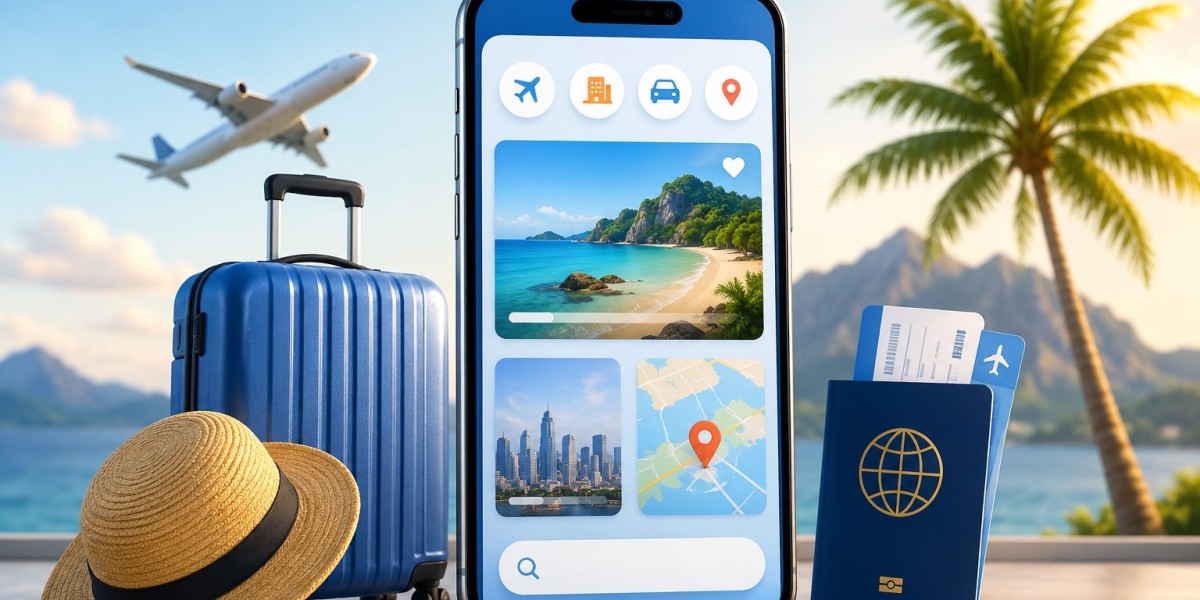


The travel industry has changed dramatically over the past few years. Travelers now expect everything to be available at their fingertips, from booking flights and hotels to planning itineraries and discovering local attractions. Mobile applications have become an essential part of this digital journey, helping businesses deliver seamless experiences while improving customer engagement.
Whether you're a startup or an established travel business, investing in a feature-rich mobile application can help you stay competitive. A well-designed travel app not only simplifies trip planning but also builds customer loyalty through convenience, personalization, and real-time services.
However, building a successful travel app requires more than just an attractive interface. It involves understanding user needs, selecting the right technology, and creating features that solve real travel challenges. This guide explores the key steps involved in developing a travel app that stands out in a competitive market.
Understand Your Target Audience
The first step in building a travel app is identifying your audience. Different travelers have different expectations, so your app should be designed with a specific user group in mind.
For example, your audience may include:
- Business travelers
- Solo travelers
- Families
- Adventure seekers
- Luxury travelers
- Budget travelers
Understanding user behavior allows you to prioritize features that deliver real value.
Choose the Right Type of Travel App
Travel apps serve different purposes depending on the business model. Common categories include:
- Flight booking apps
- Hotel reservation apps
- Tour and activity booking apps
- Travel itinerary planners
- Navigation apps
- Travel expense management apps
- Local guide apps
Selecting the right niche helps create a focused and user-friendly experience.
Include Essential Features
Every successful travel application should offer features that improve convenience and simplify travel planning.
Some must-have features include:
- User registration and profiles
- Advanced search filters
- Online booking
- Secure payment gateway
- Interactive maps
- GPS navigation
- Push notifications
- Trip itinerary management
- Reviews and ratings
- Customer support chat
These features help users complete their travel plans without switching between multiple platforms.
Prioritize User Experience
An excellent user experience can significantly improve customer satisfaction.
Focus on:
- Simple navigation
- Fast loading speed
- Clean interface
- Easy booking process
- Responsive design
- Offline accessibility for selected features
The easier your app is to use, the more likely users are to return.
Integrate Real-Time Data
Travel information changes frequently. Your application should provide real-time updates, including:
- Flight status
- Hotel availability
- Weather forecasts
- Traffic conditions
- Currency exchange rates
Accurate information helps users make better travel decisions.
Build for Multiple Platforms
Reaching more users means supporting both Android and iOS platforms. Many businesses also prefer cross-platform development to reduce costs while maintaining consistent performance.
Working with an experienced travel app development company can help ensure your application delivers excellent performance across different devices while maintaining scalability for future growth.
Add AI-Powered Personalization
Artificial intelligence is becoming an important part of modern travel applications.
AI can provide:
- Personalized travel recommendations
- Smart destination suggestions
- Dynamic pricing alerts
- Chatbots for instant support
- Customized itineraries
These capabilities improve user engagement and create a more personalized experience.
Ensure Strong Security
Travel applications store sensitive customer information, making security a top priority.
Implement:
- End-to-end encryption
- Secure authentication
- Multi-factor login
- PCI-compliant payment processing
- Regular security updates
Protecting user data builds trust and improves brand reputation.
Test Before Launch
Thorough testing helps eliminate issues before your app reaches customers.
Test for:
- Performance
- Compatibility
- Security
- User interface
- Payment functionality
- API integrations
Continuous testing reduces bugs and improves user satisfaction.
Plan for Future Growth
Your travel app should be built with scalability in mind.
Future enhancements may include:
- Voice search
- AR-based navigation
- Loyalty programs
- Multi-language support
- Wearable device integration
- AI-powered travel assistants
Planning ahead reduces redevelopment costs as your business grows.
Why Professional Development Matters
Building a travel application involves strategy, design, development, testing, and ongoing maintenance. Professional travel app development services help businesses create scalable, secure, and feature-rich applications that meet evolving customer expectations while supporting long-term business growth.
Conclusion
Creating a successful travel app requires a balance of innovative features, intuitive design, reliable performance, and strong security. By understanding your audience, choosing the right functionality, and focusing on user experience, you can develop an application that keeps travelers engaged throughout their journey. As digital travel continues to evolve, businesses that invest in high-quality mobile solutions will be better positioned to attract customers and stay ahead of the competition.
FAQs
1. What features should every travel app include?
A travel app should include user registration, booking, secure payments, GPS navigation, notifications, reviews, and customer support.
2. How long does it take to build a travel app?
Development timelines typically range from 3 to 9 months, depending on the app's complexity and features.
3. Should a travel app support offline functionality?
Yes. Offline maps, itineraries, and booking information improve the user experience during limited internet connectivity.
4. Is AI useful in travel applications?
Yes. AI enables personalized recommendations, chatbots, itinerary planning, and smarter travel suggestions.
5. How can a travel app generate revenue?
Common monetization methods include booking commissions, subscriptions, premium features, in-app advertisements, and partnerships with travel providers.









