

Quick Summary:
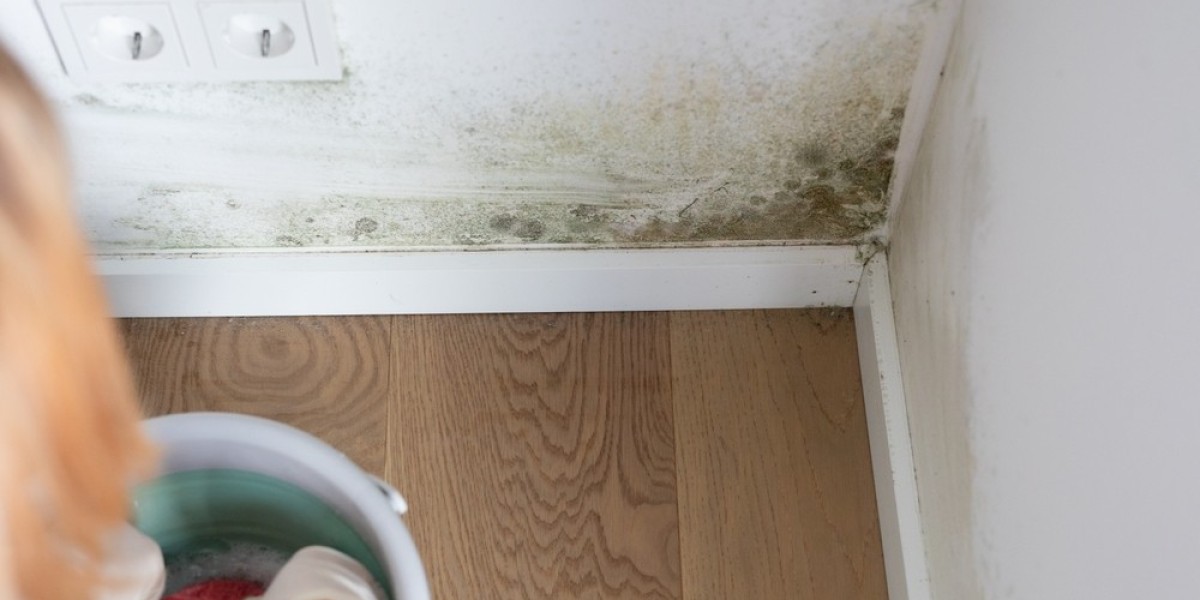
Los Angeles does not have one uniform indoor moisture environment. Coastal air, inland heat, hillside exposure, shade, building age, ventilation, and local weather patterns can change how moisture enters and remains inside a property. That means an effective mold response should begin with the building and its surroundings rather than a one-size-fits-all treatment. Professional mold remediation los angeles strategies may differ between a cool coastal home, a dense urban apartment, and a hot inland property. The goal is always the same: identify the moisture source, contain affected areas, remove or clean damaged materials appropriately, dry the structure, and prevent recurrence.
Why Los Angeles Microclimates Matter
Los Angeles is shaped by the Pacific Ocean, mountain ranges, valleys, elevation changes, dense development, and varying patterns of shade and sunlight. These factors can produce meaningful differences in temperature, airflow, and moisture conditions over relatively short distances. Research examining Los Angeles microclimate zones has found that environmental boundaries can correspond with local topography, demonstrating why conditions can differ across the metropolitan area.
For mold control, the important issue is not simply whether a neighborhood is considered humid. Mold needs moisture and an available food source such as wood, drywall, paper, or other building materials. The Centers for Disease Control and Prevention explains that excess moisture is generally the major cause of indoor mold growth. Therefore, a property assessment should focus on where moisture is coming from, where it is accumulating, and how quickly affected materials can be dried.
A coastal property may have different moisture challenges from an inland property, while a shaded hillside structure may behave differently from a sun-exposed home. This is why mold remediation los angeles work should be based on measured conditions and building characteristics rather than neighborhood reputation alone.
Coastal Neighborhoods: Condensation and Persistent Dampness
Properties closer to the ocean can experience marine influence, cooler surfaces, and periods when outdoor air carries substantial moisture. These conditions do not automatically create a mold problem, but they can become important when indoor surfaces remain cool and ventilation or moisture control is inadequate.
In a coastal home, professionals may pay particular attention to window frames, exterior-facing walls, closets, bathrooms, and poorly ventilated rooms. A wall surface can have a higher moisture risk than the air in the center of a room, especially when the surface is cooler. Lawrence Berkeley National Laboratory notes that surface humidity can be more important than room-average humidity when evaluating potential mold conditions.
A practical strategy in such settings may therefore include moisture mapping, checking for condensation, examining window and wall interfaces, evaluating ventilation, and monitoring indoor relative humidity. The objective is not merely to clean visible growth but to understand why the affected surface became favorable for mold.
Dense Urban Areas: Building Systems and Hidden Moisture
Older and densely occupied buildings can present a different set of challenges. Apartments and commercial properties may contain shared plumbing systems, aging windows, rooftop equipment, concealed pipe leaks, or limited ventilation. A small leak inside a wall or ceiling can remain unnoticed until staining, odor, or visible growth appears.
In these properties, remediation planning may need to account for the location of occupants, neighboring units, shared air pathways, and building systems. Containment can be especially important when work could disturb materials containing settled mold spores or fungal fragments.
The CDC notes that indoor mold exposure can vary from building to building and even between locations within the same building. This supports a localized assessment rather than assuming that every room has the same conditions. During mold remediation los angeles projects, professionals may inspect adjacent areas, use moisture detection tools, and determine whether the affected zone extends beyond what is visible.
Hillside and Canyon Properties: Airflow, Shade, and Building Envelope Issues
Hillside homes can experience strong differences between sun-exposed and shaded surfaces. Sloped sites may also introduce drainage concerns, retaining-wall moisture, roof complexity, and hard-to-access exterior areas. Wind exposure can further affect how quickly surfaces dry.
For these properties, the investigation should consider the relationship between the structure and the surrounding terrain. Roof drainage, exterior wall conditions, grading, window seals, and areas where water may collect deserve attention. Interior signs may appear far from the actual moisture entry point.
A targeted mold remediation los angeles plan for a hillside property can include inspection of both interior and exterior moisture pathways. If water enters through the building envelope, cleaning the interior without correcting the exterior source is unlikely to provide a durable solution.
Inland Neighborhoods: Heat Does Not Eliminate Mold Risk
Inland Los Angeles areas can experience substantially hotter conditions than coastal locations, particularly during warm weather. Higher temperatures can increase evaporation, but they can also create strong temperature differences between outdoor air, cooled indoor spaces, and building surfaces.
Air conditioning introduces another consideration. When warm, moist air encounters a sufficiently cool surface, condensation can occur. Poorly insulated ducts, cold surfaces, inadequate drainage, or equipment problems can contribute to localized dampness.
The United States Environmental Protection Agency recommends keeping indoor relative humidity below 60 percent, ideally between 30 and 50 percent, to reduce conditions favorable to mold growth.
For inland properties, mold remediation los angeles professionals may therefore combine moisture inspection with HVAC evaluation. The assessment can include condensate drainage, duct insulation, cooling performance, room-by-room humidity, and areas where cold surfaces meet warmer air.
Mold Remediation Los Angeles: Why One Neighborhood Can Still Have Many Microclimates
Neighborhood labels are useful, but they should never replace measurements. Two homes on the same street can have different mold risks because of orientation, construction, landscaping, insulation, roof design, occupancy, HVAC operation, and plumbing history.
A north-facing room shaded by trees may remain cooler and damper than a sunny room in the same house. A remodeled bathroom may have better ventilation than an older bedroom. A tightly sealed apartment may retain moisture differently from a draftier property.
That is why mold remediation los angeles should be approached as a property-specific process. Professionals can use moisture meters, infrared observations where appropriate, humidity measurements, visual inspection, and building history to identify patterns. These tools are most useful when they support a clear moisture investigation rather than being treated as substitutes for professional judgment.
Seasonal Weather Can Shift the Strategy
Los Angeles has a generally dry climate, but seasonal rainfall can create short periods of elevated moisture exposure. Storms can reveal roof weaknesses, blocked drainage, window leaks, plumbing vulnerabilities, and other defects. After a significant water event, the speed of drying becomes critical.
The CDC emphasizes that mold can grow on wet or damp materials and that fixing the moisture problem is central to controlling growth. A response plan should therefore distinguish between a current moisture emergency and an established mold condition.
During or after wet weather, mold remediation los angeles planning may prioritize rapid water removal, structural drying, moisture documentation, and inspection of concealed spaces. During drier periods, the emphasis may shift toward identifying chronic leaks, condensation, ventilation weaknesses, and recurring humidity problems.
What a Neighborhood-Specific Remediation Plan Should Include
A strong strategy can be organized around several questions:
- Where is the moisture coming from?
- Is the source active, intermittent, or historical?
- Which building materials are affected?
- How far has moisture traveled?
- Are neighboring rooms or building assemblies also affected?
- What environmental conditions are allowing the problem to continue?
- What repairs are necessary to prevent recurrence?
The remediation approach should then be matched to the actual condition. Porous materials that are heavily contaminated or damaged may require removal, while salvageable materials may be cleaned and dried using appropriate professional methods. Containment and personal protective measures should be selected according to the scope of work.
A professional mold remediation los angeles project should also end with more than a clean-looking surface. The underlying moisture source needs to be corrected, affected materials need to be properly addressed, and the property should be left in a condition that reduces the likelihood of renewed growth.
Humidity Monitoring as a Long-Term Defense
One of the simplest ways to understand a property's changing moisture environment is to measure indoor relative humidity. The EPA recommends maintaining indoor humidity between 30 and 50 percent when possible, while the CDC advises keeping humidity low to reduce mold growth.
A single reading, however, can miss important patterns. Measurements taken in several rooms and at different times can reveal whether a problem is isolated or widespread. Pay particular attention to rooms with limited ventilation, areas near exterior walls, spaces around HVAC equipment, and locations where condensation has previously occurred.
After remediation work, continued humidity monitoring can help property owners recognize conditions that may support recurrence before visible growth becomes extensive.
Conclusion
The microclimate effect is a reminder that Los Angeles is not one moisture environment. Coastal exposure, inland heat, hillside terrain, shade, building density, construction type, and seasonal storms can all influence how moisture behaves inside a structure.
Effective mold control begins with that context. Instead of applying the same treatment everywhere, property owners and professionals should investigate the source of moisture, understand the building's local conditions, select appropriate containment and cleaning methods, and verify that the structure is dry.
When local climate patterns are combined with building-specific evidence, mold remediation los angeles becomes more targeted, practical, and focused on long-term prevention.









